By Chang Sang-Hoe
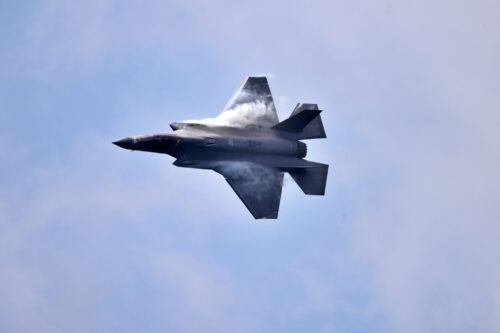
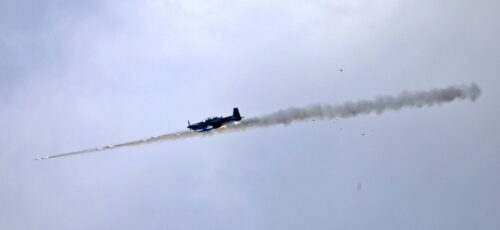
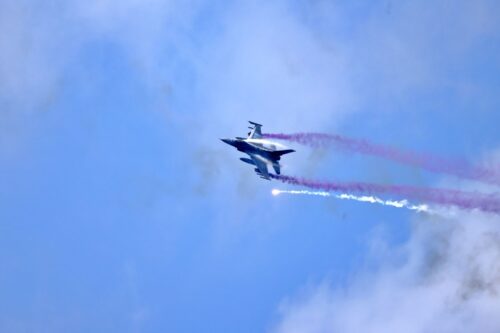
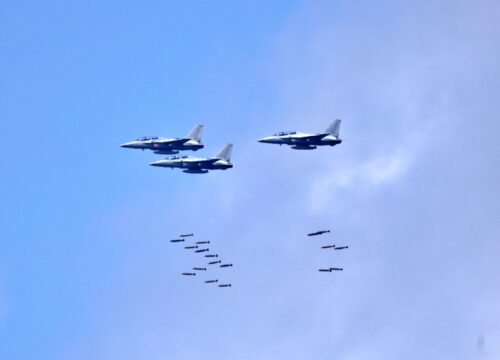
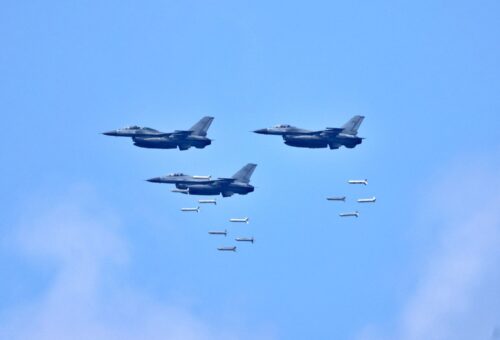
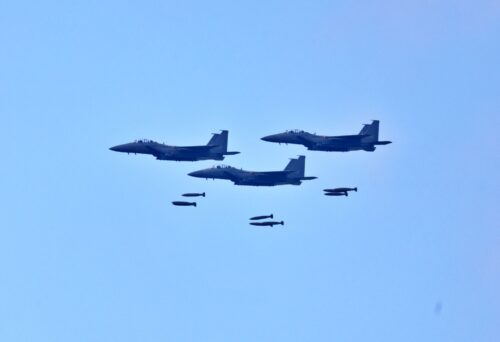
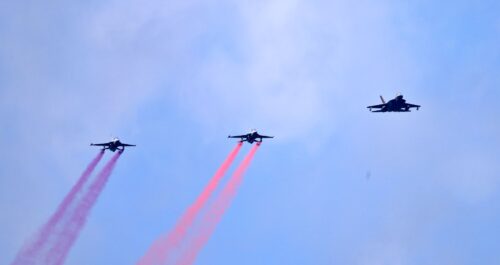
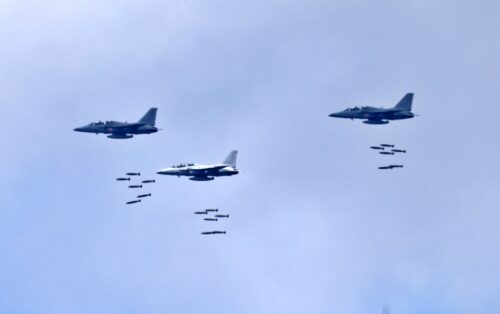
On the afternoon of May 28, the ‘2026 Joint Firepower Training’ was conducted at the Seungjin Scientific Training Ground in Pocheon, Gyeonggi Province, under the supervision of the Minister of National Defense. Approximately 1,400 soldiers from 27 units of the Army, Navy, Air Force, and Marine Corps participated, and 457 pieces of equipment across 96 types of mobility, firepower, and air power were deployed. A total of about 1,900 people visited the site, including 400 members of the citizen observation group selected through open recruitment.
Photos: Chang Sang-Hoe
The Joint Firepower Training is the ROK Armed Forces’ representative firepower demonstration exercise, which first began in 1977. It is a large-scale exercise typically conducted about once per administration, and this was the first under the current government. It was not held during the Moon Jae-in administration but was conducted on the largest scale in history during the Yoon Suk-yeol administration in 2023.
The core of the training on this day was the ‘AI-based Manned/Unmanned Hybrid Combat System.’ While past exercises focused on demonstrating the might of large-scale firepower and mobile forces, this exercise brought to the forefront the nature of future warfare, where humans and AI, as well as manned and unmanned systems, are connected as a single network.
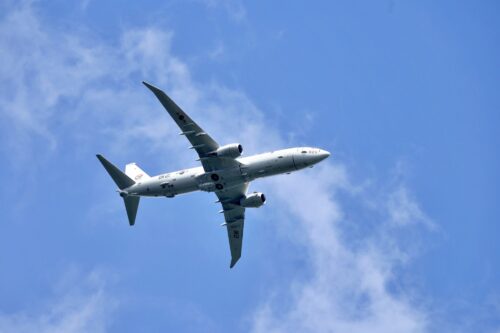
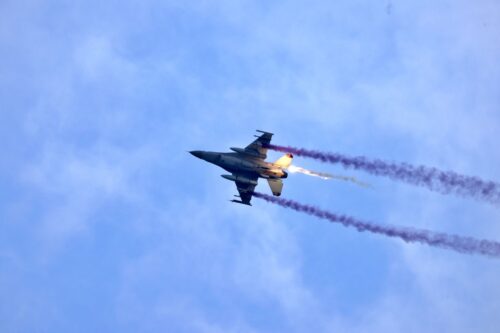
Part 1 of the exercise, “Defensive Operations,” was conducted under the assumption of a surprise enemy attack. As satellite surveillance assets, reconnaissance and radar drones, RF-16 Saemae, and E-737 Peace Eye aircraft collected information in real time, the AI Command Decision Support System comprehensively analyzed the data to recommend optimal targets. Subsequently, suicide drones and the combined manned-unmanned combat system were integrated to execute joint firepower strikes across the entire domain.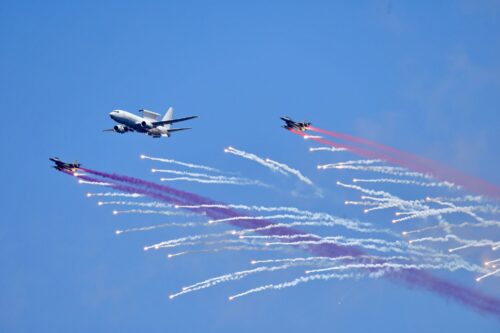
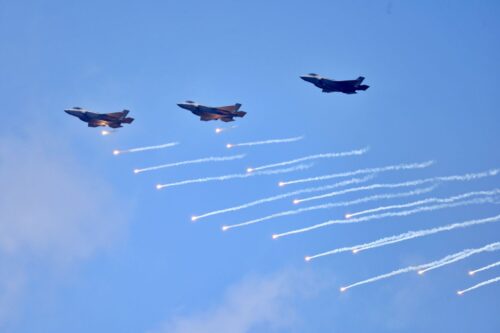
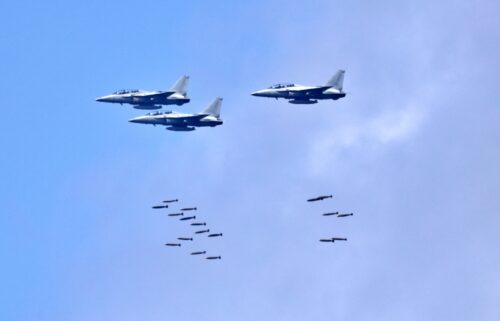
In the subsequent Part 2, “Offensive Operations,” overwhelming joint firepower was mobilized. K2 tanks charged while conducting mobile firing, and K9 self-propelled howitzers suppressed enemy artillery positions with continuous shelling. The Army’s “Army TIGER” forces and Marine Corps amphibious assault vehicles also carried out missions to secure key areas. The exercise followed a procedure in which unmanned systems-based advance reconnaissance and obstacle clearing were conducted first, followed by the deployment of manned forces. Air cover, artillery firepower, and air assault operations were organically linked to complete a single, massive joint operation.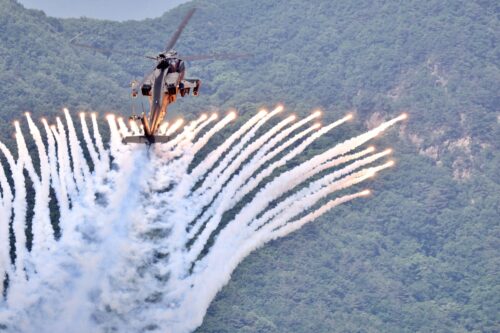
An equipment exhibition followed the conclusion of the training. Citizens viewed the various weapon systems participating in the exercise up close and conversed with the soldiers. The Ministry of National Defense explained that this exercise was an opportunity to directly demonstrate to the public the military’s commitment to self-reliant defense and its operational capabilities based on advanced science and technology.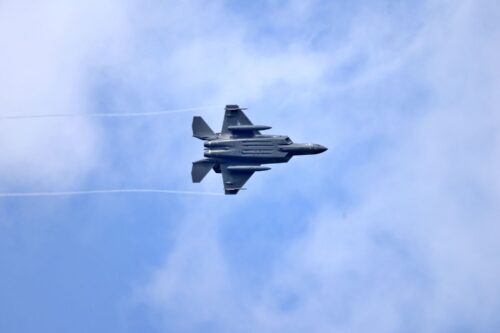
Lieutenant General Choi Seong-jin, Commander of the 7th Mobile Corps, who commanded the exercise, assessed, “This served as an opportunity to enhance public trust by demonstrating that our military is building resolute self-reliant defense capabilities and posture as the people’s army.” He added, “By becoming a ‘one team’ of the Army, Navy, Air Force, and Marine Corps integrating manned and unmanned combined combat systems, we were able to strengthen jointness and prove our military’s readiness.” The Ministry of National Defense emphasized, “Going forward, we will strengthen the foundation of an advanced, powerful military suited to the diversifying battlefield environment, realize self-reliant defense by enhancing independent operational capabilities and jointness, and continue to leap forward as a defense powerhouse equipped with international competitiveness in the global market.”